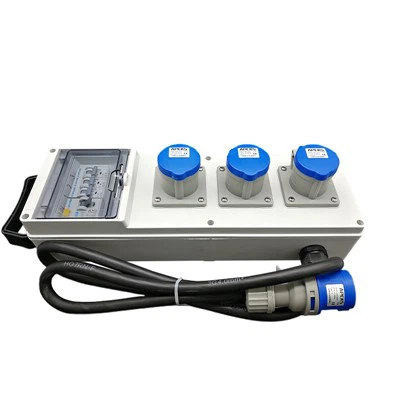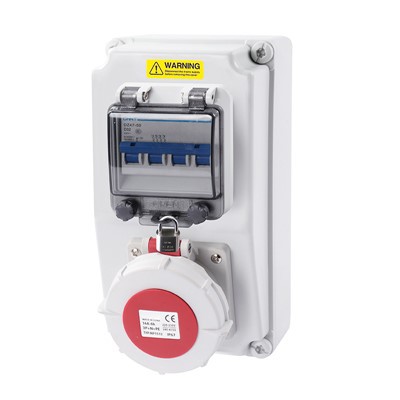


Why Stainless Steel Distribution Boxes Are Preferred in Industrial Environments
In demanding industrial environments, electrical equipment must withstand exposure to moisture, chemicals, and mechanical stress while maintaining operational safety. Stainless steel distribution boxes provide a combination of durability, corrosion resistance, and structural strength, making them a reliable solution for long-term industrial power management.
Their robust construction, combined with professional electrical design, ensures stable power distribution while protecting critical electrical systems from environmental damage.
Technical Specifications
| Parameter | Description |
|---|---|
| Product Name | Stainless Steel Distribution Box |
| Enclosure Material | SS304 / SS316 Stainless Steel |
| Protection Level | IP65 / IP66 / IP67 |
| Rated Voltage | 220V / 380V / 415V |
| Rated Current | 16A – 400A |
| Installation Type | Wall Mounted / Floor Standing |
| Surface Treatment | Brushed / Polished |
| Operating Temperature | -25°C to +60°C |
| Compliance | IEC / CE |
Customization Options

To meet the needs of different industries and projects, stainless steel distribution boxes can be customized in several ways:
Custom enclosure sizes and thickness
Different stainless steel grades (SS304 / SS316)
Internal electrical component configuration
Industrial socket combinations
Cable entry positions and gland plates
Private labeling and OEM branding
These options allow contractors, system integrators, and distributors to obtain solutions tailored to their applications.
FAQ:
1. Why choose stainless steel for electrical distribution boxes?
Stainless steel offers excellent corrosion resistance, mechanical strength, and long service life. Compared with standard metal or plastic enclosures, stainless steel can withstand harsh environments such as humidity, chemicals, and salt exposure, making it ideal for demanding industrial applications.
2. What is the difference between stainless steel and powder-coated steel enclosures?
Powder-coated steel enclosures provide basic corrosion protection, but the coating can eventually wear off or be damaged. Stainless steel enclosures, on the other hand, have built-in corrosion resistance throughout the material, ensuring long-term durability even in harsh environments.
3. Which stainless steel grade is better for outdoor applications?
For most outdoor applications, SS304 stainless steel provides sufficient corrosion resistance. However, in environments exposed to saltwater, marine air, or aggressive chemicals, SS316 stainless steel is recommended due to its enhanced corrosion resistance.
4. Are stainless steel distribution boxes waterproof?
Most stainless steel distribution boxes are designed with protection ratings such as IP65, IP66, or IP67, which protect internal electrical components from dust, water splashes, and rain. Proper sealing and cable glands ensure reliable performance in outdoor environments.
5. Can stainless steel distribution boxes be used in hygienic industries?
Yes. Stainless steel enclosures are widely used in food processing, pharmaceutical manufacturing, and beverage production facilities because they are easy to clean and resistant to contamination. Their smooth surfaces support hygienic maintenance and sanitation processes.
6. What installation methods are available for stainless steel distribution boxes?
Stainless steel distribution boxes can be installed in various ways depending on the application, including:
Wall-mounted installation
Floor-standing cabinets
Outdoor electrical panels
Industrial control cabinets
The installation method can be customized based on project requirements.
Hot Tags: stainless steel distribution box, China stainless steel distribution box manufacturers, suppliers, factory, stainless steel power distribution box, Stainless Steel Distribution Box, stainless steel distribution board