Power Distribution Box Materials: How to Choose the Right Material?

Sep 11, 2026

Leave a message

The material of the enclosure directly affects the power distribution box's weight, impact resistance, corrosion resistance, weather resistance, service life, and overall suitability for various operating environments.


Power distribution boxes are commonly manufactured from HDPE, thermoplastic, rubber and stainless steel. Each material has different mechanical and environmental properties, so the best choice depends on where the distribution box will be installed and how it will be used.


Power Distribution Box Materials Comparison


Material Key Advantages Limitations Typical Applications
HDPE Lightweight, impact resistant, corrosion resistant and suitable for outdoor use Higher material cost than some basic plastics Construction sites, outdoor events, temporary power
Thermoplastic Lightweight, easy to process and cost-effective Performance depends on the specific material formulation Industrial, commercial and general temporary applications
Rubber Flexible, impact resistant and suitable for demanding working conditions Heavier and less rigid than rigid plastic enclosures Construction, rental equipment and harsh environments
Stainless Steel High mechanical strength and corrosion resistance Heavier and generally more expensive Industrial plants, marine environments and permanent installations


HDPE Power Distribution Boxes


HDPE (High-Density Polyethylene) is suitable for applications where low weight, impact resistance and outdoor durability are important. Compared with traditional metal enclosures, HDPE can reduce the overall weight of a portable power distribution box while providing good resistance to moisture and corrosion.

For construction projects, outdoor events and temporary electrical installations, HDPE is particularly useful when equipment needs to be transported, moved or repositioned frequently. Its resistance to water and many chemicals also makes it suitable for demanding outdoor conditions.


Thermoplastic Power Distribution Boxes

Thermoplastic enclosures are widely used for general-purpose electrical distribution because they combine relatively low weight with practical manufacturing costs. Different thermoplastic formulations can provide different levels of impact resistance, temperature resistance and weather resistance.

This material can be considered when the application does not require the mechanical strength of metal but still needs a lightweight enclosure for industrial, commercial or temporary electrical distribution.


Rubber Power Distribution Boxes

Rubber is selected when flexibility and impact resistance are important. A rubber enclosure can better tolerate physical contact and demanding working conditions than some rigid materials.

This makes rubber distribution boxes suitable for construction sites, rental equipment and other environments where electrical equipment may experience frequent handling, vibration or accidental impact.


Stainless Steel Power Distribution Boxes

Stainless steel provides higher mechanical strength and good corrosion resistance, making it suitable for demanding industrial environments. It can be considered for applications where the enclosure needs to withstand heavy physical loads or long-term installation conditions.

The main trade-off is weight. Stainless steel distribution boxes are generally heavier than HDPE or thermoplastic alternatives, which can make transportation and frequent repositioning less convenient.


Which Material Is Best for a Power Distribution Box?
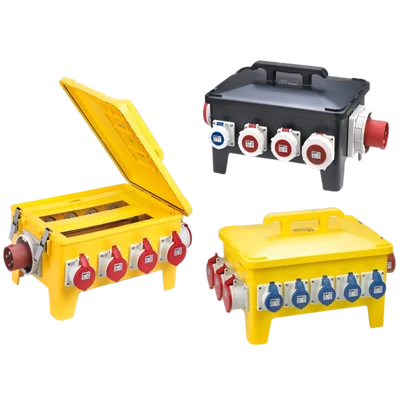


The enclosure material of a power distribution box affects its mechanical strength, weight, impact resistance, corrosion resistance and suitability for outdoor use. Common enclosure materials include HDPE (High-Density Polyethylene), thermoplastics, rubber and stainless steel. Material selection should be based on the installation method, handling frequency, operating temperature, UV exposure, water, chemical media and mechanical impact rather than material price alone.


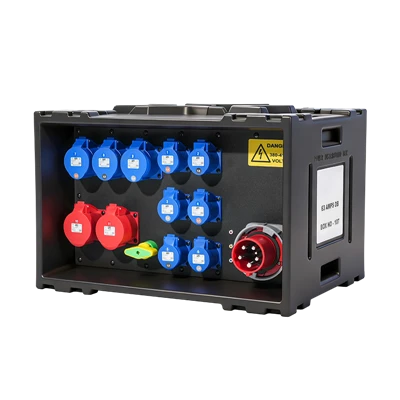
HDPE power distribution boxes generally use a molded enclosure structure in which circuit breakers, busbars, terminals, industrial sockets and cable entries are installed. HDPE does not rust like carbon steel, and its lower density allows a lighter enclosure than a comparable metal structure. This makes it applicable to temporary power installations that require frequent transportation and repositioning. On construction sites, outdoor events and temporary power projects, the enclosure may be exposed to handling, rain and mechanical impact. Engineers should therefore check the HDPE wall thickness, reinforced fixing areas, hinge mounting method and specified IP rating.


Thermoplastic power distribution boxes are manufactured through injection molding or other plastic forming processes, followed by installation of circuit breakers, busbars, sockets and protective devices. The temperature resistance, impact resistance and weatherability depend on the specific plastic formulation. Therefore, a specification such as "plastic enclosure" is not sufficient for technical selection. The material grade, operating temperature range, flame-retardant requirements and IP rating should be confirmed. Thermoplastic enclosures can be used for indoor industrial, commercial and general temporary power distribution where enclosure weight and material cost need to be controlled.


Rubber power distribution boxes use the elasticity and impact resistance of rubber in the enclosure or protective structure. When the enclosure is subjected to physical impact, rubber can deform to absorb part of the mechanical load. This makes rubber suitable for construction sites, rental equipment and applications involving frequent handling. The rubber formulation should be checked for operating temperature, oil resistance, chemical resistance and outdoor exposure because these properties vary between rubber compounds.


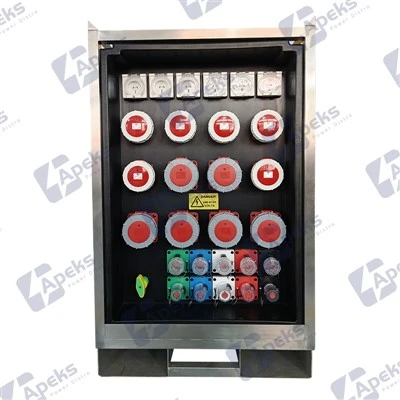
Stainless steel power distribution boxes use a metal enclosure structure containing components such as busbars, circuit breakers, terminals and industrial connectors. Stainless steel provides higher mechanical strength than most plastic materials. Its chromium content forms a passive oxide layer that reduces the corrosion rate of the metal surface. It can therefore be used where higher mechanical strength or long-term fixed installation is required. However, stainless steel has a higher density than plastic materials, so the enclosure is generally heavier at the same dimensions. For portable distribution equipment, enclosure weight should be evaluated together with the handling and installation method.


Power Distribution Box Material Selection


Material Main Engineering Characteristics Parameters to Check Typical Conditions
HDPE Low density, corrosion resistance, impact resistance Wall thickness, material grade, UV requirements, IP rating Outdoor, construction, temporary power
Thermoplastic Low weight, flexible molding options Material formulation, flame rating, operating temperature, IP rating Industrial, commercial, general temporary power
Rubber Elasticity, impact resistance Hardness, temperature resistance, oil and chemical resistance Construction, rental equipment, frequent handling
Stainless Steel High mechanical strength, corrosion resistance Grade, sheet thickness, surface treatment, weight Industrial, fixed installation, corrosive environments


How Does Material Selection Work in a Power Distribution Box Project?


In an actual project, material selection normally starts with the rated current and electrical configuration, followed by enclosure dimensions and the arrangement of busbars, sockets and protective devices. The required IP rating is then determined according to the installation environment, and the enclosure material is checked against temperature, UV exposure, water, dust and mechanical impact.

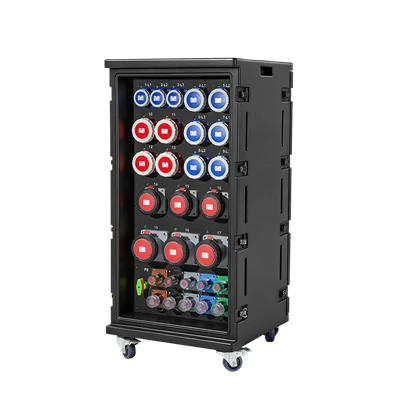
For portable temporary distribution boxes, enclosure weight, handles, casters and stacking structures should also be considered. After the enclosure structure is completed, the electrical components are assembled and wired, followed by insulation checks, functional testing and applicable enclosure protection tests.


Therefore, when comparing HDPE, thermoplastic, rubber and stainless steel power distribution boxes, procurement teams should evaluate the complete sequence of material → enclosure structure → electrical configuration → operating environment → installation method → testing requirements, rather than comparing material prices alone.

 
Send Inquiry
Global B2B Manufacturing

Project-Ready
Power Distribution

APEKS ELECTRIC provides high-spec distribution boxes tailored for professional contractors and event rental firms. Engineering-grade equipment built for heavy-duty reliability.

  • 32A to 800A Rated Current Options
  • Fully Compliant with IEC 60439/60309
  • OEM/ODM Custom Interior Layouts
  • Scalable Production for Project Tenders

Request Technical Quote