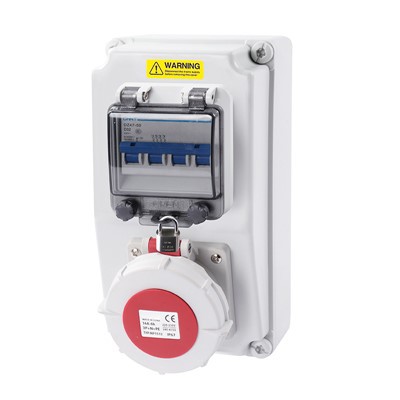

Hey there! As a supplier of combination distribution boxes, I've seen my fair share of issues that these boxes can run into. In this blog, I'm gonna talk about some of the common faults you might encounter with a combination distribution box.
Overheating
One of the most common problems is overheating. You see, combination distribution boxes house a bunch of electrical components, and when they're working hard, they generate heat. If the box isn't properly ventilated, that heat can build up. This can be a real headache because overheating can cause all sorts of problems. It can damage the internal wiring, melt insulation, and even lead to a fire in extreme cases.
There are a few reasons why overheating might happen. Maybe the box is installed in a cramped space with no room for air to circulate. Or perhaps it's overloaded with too many electrical devices. If you're using a Combination Socket Distribution Box, make sure you don't exceed its rated capacity. Check the label on the box to see how much power it can handle.
Loose Connections
Another frequent fault is loose connections. Over time, the vibrations from normal use or even just the expansion and contraction of the components due to temperature changes can cause the electrical connections inside the box to come loose. Loose connections can lead to arcing, which is when electricity jumps between two conductors. Arcing can create a lot of heat and can damage the components in the box.


You might notice some signs of loose connections, like flickering lights or intermittent power outages. If you suspect there are loose connections in your combination distribution box, it's important to address it right away. You can use a screwdriver to tighten the connections, but if you're not comfortable doing that, it's best to call in a professional electrician.
Faulty Circuit Breakers
Circuit breakers are an important part of a combination distribution box. They're designed to trip and cut off the power when there's an overload or a short circuit. But sometimes, circuit breakers can malfunction. They might trip when there's no real problem, or they might fail to trip when they should.
A faulty circuit breaker can be a safety hazard. If it doesn't trip when there's an overload, it could lead to overheating and potentially start a fire. On the other hand, if it trips too easily, it can be a real nuisance, causing unnecessary power outages. If you have a circuit breaker that keeps tripping or seems to be acting up, it's a good idea to have it replaced.
Corrosion
Corrosion is another issue that can affect combination distribution boxes, especially if they're installed in a damp or humid environment. Corrosion can eat away at the metal parts of the box, including the electrical contacts. This can lead to poor electrical conductivity and can cause the box to malfunction.
To prevent corrosion, make sure the box is installed in a dry location. If it's in an area where there's a lot of moisture, you might want to consider using a box with a corrosion-resistant coating. You can also inspect the box regularly for signs of corrosion and clean it if necessary.
Inadequate Grounding
Proper grounding is crucial for the safety of a combination distribution box. Grounding provides a path for electrical current to flow safely into the ground in case of a fault. If the box isn't properly grounded, there's a risk of electric shock.
Inadequate grounding can be caused by a number of factors, such as a loose or damaged grounding wire. You should always make sure that the grounding wire is securely connected and in good condition. If you're not sure how to check the grounding of your combination distribution box, it's best to consult an electrician.
Aging Components
Over time, the components inside a combination distribution box can wear out. The insulation on the wires can degrade, the switches can become less reliable, and the circuit breakers can lose their effectiveness. This is just a natural part of the aging process, but it can lead to problems if you don't address it.
If you have an older combination distribution box, it's a good idea to have it inspected regularly by a professional. They can check for signs of wear and tear and recommend any necessary repairs or replacements.
Incorrect Installation
Finally, incorrect installation can also lead to problems with a combination distribution box. If the box isn't installed properly, it might not function correctly or it could be a safety hazard. For example, if the box isn't mounted securely, it could fall and cause damage. Or if the wiring isn't connected correctly, it could lead to short circuits or other electrical problems.
When installing a combination distribution box, it's important to follow the manufacturer's instructions carefully. If you're not confident in your ability to install the box yourself, it's best to hire a professional electrician.
So, those are some of the common faults you might encounter with a combination distribution box. If you're having any problems with your box, don't hesitate to reach out. As a supplier, I'm here to help you find the right solutions. Whether you need a replacement part, some advice on installation, or just want to learn more about how to maintain your combination distribution box, I'm happy to assist. If you're interested in purchasing a Combination Socket Distribution Box or other related products, feel free to contact me for a quote and let's start a conversation about your needs.
References
- Electrical Safety Foundation International. (n.d.). Electrical Distribution Panel Safety.
- National Fire Protection Association. (n.d.). NFPA 70: National Electrical Code.