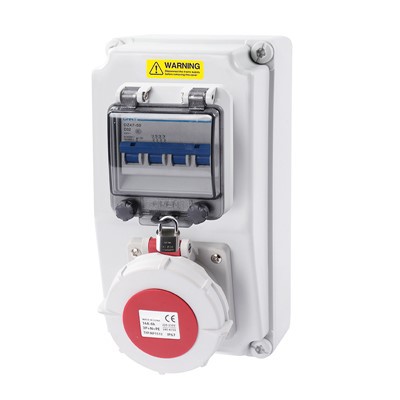

As a supplier of wall-mounted distribution boxes, I often encounter customers who are confused about the differences between metal and plastic wall-mounted distribution boxes. In this blog, I will delve into the key differences between these two types of distribution boxes to help you make an informed decision when choosing the right one for your needs.
Material Composition
The most obvious difference between metal and plastic wall-mounted distribution boxes lies in their material composition. Metal distribution boxes are typically made of steel, aluminum, or stainless steel. These metals offer high strength and durability, making them suitable for a wide range of applications. Steel is a common choice due to its affordability and excellent mechanical properties. Aluminum, on the other hand, is lightweight and corrosion-resistant, making it ideal for outdoor or harsh environments. Stainless steel provides the highest level of corrosion resistance and is often used in applications where hygiene and durability are critical, such as in the food and beverage industry.
Plastic distribution boxes, on the other hand, are made from various types of plastics, such as polycarbonate, ABS (acrylonitrile butadiene styrene), or PVC (polyvinyl chloride). These plastics offer different properties depending on their composition. Polycarbonate is known for its high impact resistance and transparency, making it suitable for applications where visibility of the internal components is required. ABS is a versatile plastic that offers a good balance of strength, impact resistance, and cost. PVC is a cost-effective option that is resistant to chemicals and moisture, making it suitable for indoor applications.
Strength and Durability
When it comes to strength and durability, metal distribution boxes have a clear advantage. Metal is inherently stronger than plastic and can withstand higher levels of physical stress. This makes metal distribution boxes more suitable for applications where they may be exposed to impact, vibration, or heavy loads. For example, in industrial settings where machinery may be operating nearby, a metal distribution box is less likely to be damaged compared to a plastic one.
Plastic distribution boxes, while not as strong as metal, can still offer sufficient durability for many applications. They are generally lightweight and easy to install, which can be an advantage in some situations. However, plastic may be more prone to cracking or breaking under extreme conditions, such as high temperatures or impact. It is important to choose a plastic distribution box that is designed for the specific application and environment to ensure its long-term durability.
Corrosion Resistance
Corrosion is a major concern when it comes to wall-mounted distribution boxes, especially in outdoor or harsh environments. Metal distribution boxes can be susceptible to corrosion, depending on the type of metal used and the environmental conditions. Steel, for example, is prone to rusting if not properly protected. However, aluminum and stainless steel offer excellent corrosion resistance, making them suitable for outdoor applications.
Plastic distribution boxes are generally more resistant to corrosion than metal. They do not rust or corrode, which makes them a good choice for applications where moisture or chemicals are present. However, some plastics may be affected by certain chemicals or UV radiation over time, so it is important to choose a plastic that is resistant to the specific chemicals and environmental conditions in your application.
Electrical Conductivity
Another important difference between metal and plastic wall-mounted distribution boxes is their electrical conductivity. Metal is a good conductor of electricity, which means that it can provide a path for electrical current to flow. This can be an advantage in some applications, such as when grounding is required. Metal distribution boxes can be easily grounded to prevent electrical shocks and ensure the safety of the electrical system.
Plastic, on the other hand, is an insulator and does not conduct electricity. This can be an advantage in applications where electrical isolation is required. Plastic distribution boxes can help to prevent electrical interference and reduce the risk of electrical fires. However, it is important to ensure that the electrical components inside the plastic distribution box are properly insulated to prevent electrical hazards.
Cost
Cost is often a major factor when choosing between metal and plastic wall-mounted distribution boxes. Metal distribution boxes are generally more expensive than plastic ones due to the cost of the materials and the manufacturing process. However, the higher cost of metal distribution boxes is often justified by their superior strength, durability, and corrosion resistance.
Plastic distribution boxes are generally more cost-effective than metal ones. They are lightweight and easy to install, which can reduce the installation costs. Additionally, plastic distribution boxes are often available in a wider range of sizes and shapes, which can make them more suitable for certain applications.
Aesthetic Appeal
The aesthetic appeal of a wall-mounted distribution box can also be an important consideration, especially in applications where the distribution box is visible. Metal distribution boxes have a more industrial and professional look, which can be suitable for some applications. They can be painted or powder-coated to match the surrounding environment or to provide a specific color scheme.
Plastic distribution boxes are available in a wider range of colors and finishes, which can make them more aesthetically appealing. They can be designed to blend in with the surrounding environment or to provide a more modern and stylish look. Additionally, plastic distribution boxes can be easily customized with logos or other branding elements.
Environmental Impact
In today's environmentally conscious world, the environmental impact of a product is an important consideration. Metal distribution boxes are generally more sustainable than plastic ones. Metal is a recyclable material, which means that it can be reused or recycled at the end of its life. Additionally, metal distribution boxes have a longer lifespan than plastic ones, which reduces the need for frequent replacements.


Plastic distribution boxes, on the other hand, are made from non-renewable resources and can be difficult to recycle. However, some plastics can be recycled, and there are efforts underway to develop more sustainable plastic materials. When choosing a plastic distribution box, it is important to consider the environmental impact of the plastic and to choose a product that is made from recycled or sustainable materials.
Conclusion
In conclusion, the choice between a metal and a plastic wall-mounted distribution box depends on a variety of factors, including the application, environment, budget, and aesthetic preferences. Metal distribution boxes offer superior strength, durability, and corrosion resistance, making them suitable for applications where these properties are critical. Plastic distribution boxes, on the other hand, are more cost-effective, lightweight, and aesthetically appealing, making them suitable for applications where these properties are important.
If you are in the market for a wall-mounted distribution box, I encourage you to consider your specific needs and requirements. You can also visit our website to learn more about our Wall Mounted Distribution Board products and to get in touch with our sales team. We are committed to providing high-quality products and excellent customer service, and we look forward to helping you find the right wall-mounted distribution box for your needs.