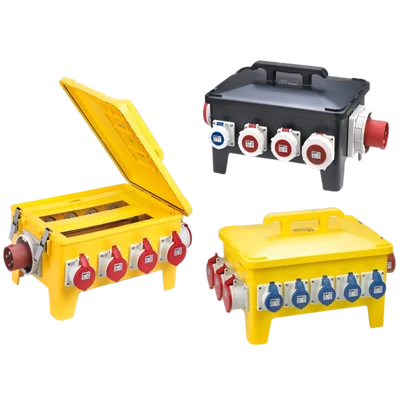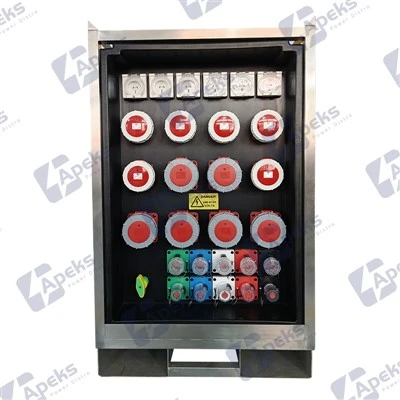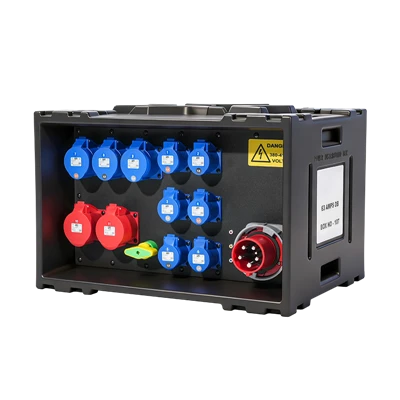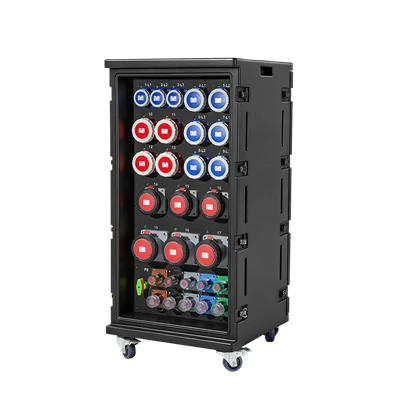
Outdoor music festivals involve complex temporary electrical systems that need to support stage lighting, audio equipment, LED screens, food service areas, backstage facilities, and other electrical loads. Unlike indoor installations, outdoor environments expose electrical equipment to rain, dust, mud, humidity, and unexpected weather changes.
For this reason, selecting suitable protection levels for power distribution equipment is an important part of festival electrical planning. Among different enclosure protection grades, IP67 is commonly considered for outdoor applications because it provides protection against solid particles and temporary water exposure.
APEKS ELECTRIC CO., Ltd. designs electrical distribution solutions for temporary power applications, focusing on enclosure protection, circuit configuration, connection methods, and environmental requirements. Understanding the role of IP67 protection helps explain why this rating is important for outdoor festival power systems.
What Does IP67 Protection Rating Mean?
The IP rating, or Ingress Protection rating, defines how well an electrical enclosure protects internal components from external elements. The IP67 rating consists of two strict protection levels:
First Number (6) - Dust-Tight Protection: Indicates that the enclosure is completely sealed against entry of dust, open-field sand, soil, mud, and heavy construction debris generated by heavy public foot traffic.
Second Number (7) - Immersion Protection: Confirms advanced safety against temporary water immersion under specified conditions, protecting the box from torrential rain or flash accumulation of surface ground water.
This prevents dust or moisture from reaching sensitive breakers, minimizing the risks of corrosion, insulation loss, or unexpected power blackouts.

Why Outdoor Music Festivals Need Higher Protection Levels
Temporary live event installations lack permanent building protections. Power infrastructures must handle severe operational challenges across open-air landscapes.
1. Rapidly Shifting Weather
Festivals in open fields, parks, or beaches are fully exposed. A sudden downpour can saturate electrical equipment within minutes, creating immediate hazards without robust ingress seals.
2. Tough On-Site Locations
Distribution hubs sit directly on raw ground like dirt, wet grass, or gravel near performance platforms. Contact with natural debris and localized moisture cannot be completely managed.
3. High-Density Public Safety
With massive festival crowds, stage crews, and talent navigating nearby areas, ensuring stable hardware insulation prevents dangerous leakage currents and protects the general public.
IP67 Compared With Other Protection Ratings
Selecting the appropriate standard involves understanding the boundaries of each enclosure configuration:
IP44 & IP55 Enclosures
• IP44: Protects against larger solids (>1mm) and light splashes. Unsuitable for heavy dust or direct wind-driven rainstorms.
• IP55: Resists partial dust buildup and basic directional water jets, typically chosen for basic sheltered factory environments.
IP65 & IP67 High-Grade Enclosures
• IP65: Complete dust sealing and solid resistance against high-pressure water spray, but cannot handle ground puddle pooling.
• IP67: Delivers total dust exclusion and absolute security against temporary submersion, providing the ultimate margin of safety for exposed outdoor setups.
Critical Engineering Factors & Common Misconceptions
Comprehensive Design Integration
• Total Load Management: System ratings must accurately accommodate high-power lines like 16A, 32A, 63A, 125A, or higher configurations.
• Cable Entry Integrity: Connectors and cable seals must align perfectly with IP67 parameters to secure weak interface points from moisture.
• Material Ruggedness: High-grade engineering plastics or coated metals are used to counteract UV degradation and continuous thermal fluctuation.
Mistakes to Avoid in Procurement
• Looking Only at Amperage: Planning ample power capacity while ignoring environmental protection ratings leads to system vulnerabilities in typical outdoor conditions.
• Misjudging Field Placements: Forgetting that raw concrete, gravel substrates, or muddy surfaces create very different exposure hazards for the same box.
• Deploying Indoor Units: Attempting to utilize non-sealed indoor hardware wrapped in makeshift covers exponentially escalates shorts and electrical hazards.
FAQ
Why is IP67 suitable for outdoor music festivals?
IP67 provides dust-tight protection and protection against temporary water immersion, making it suitable for outdoor environments where equipment may face rain, dust, and moisture.
Is IP67 necessary for every outdoor electrical installation?
Not every application requires IP67. The required protection level depends on the installation environment, weather exposure, and operating conditions.
Does IP67 mean the equipment can stay underwater permanently?
No. IP67 provides protection against temporary immersion under specified conditions. It is not designed for continuous underwater operation.
Besides IP67, what should be considered when selecting festival power equipment?
Important factors include current capacity, cable configuration, protection devices, installation location, and environmental conditions.
How APEKS ELECTRIC CO., Ltd. Considers Outdoor Power Requirements
APEKS ELECTRIC CO., Ltd. develops temporary power distribution solutions according to application conditions. By combining required protection levels with customized circuit configurations, component layouts, and structural safeguards, our designs adapt reliably to challenging live event environments.