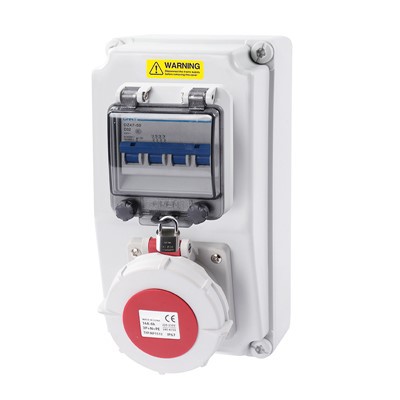

When it comes to electrical systems, a wall-mounted distribution board plays a crucial role in ensuring the safe and efficient distribution of electrical power. As a supplier of Wall Mounted Distribution Board, I understand the importance of proper cable management for these boards. In this blog post, I will explore various cable management options that can be employed to enhance the functionality and aesthetics of wall-mounted distribution boards.
1. Cable Trays
Cable trays are one of the most popular cable management solutions for wall-mounted distribution boards. They are essentially open frameworks that support and organize cables. Cable trays come in various materials such as steel, aluminum, and fiberglass, each with its own advantages.
- Steel Cable Trays: These are strong and durable, making them suitable for heavy-duty applications. They can withstand high temperatures and are resistant to corrosion, which is important in industrial environments.
- Aluminum Cable Trays: Lightweight and corrosion-resistant, aluminum cable trays are ideal for applications where weight is a concern. They are also easy to install and can be used in both indoor and outdoor settings.
- Fiberglass Cable Trays: These trays are non-conductive and offer excellent chemical resistance. They are often used in environments where there is a risk of electrical interference or chemical exposure.
Cable trays can be installed horizontally or vertically on the wall, depending on the layout of the distribution board and the cable routing requirements. They provide a clear path for cables, making it easier to identify and troubleshoot any issues.
2. Cable Conduits
Cable conduits are another effective way to manage cables in a wall-mounted distribution board. Conduits are tubes that protect cables from physical damage, moisture, and other environmental factors. They can be made of various materials such as PVC, metal, or flexible plastic.
- PVC Conduits: These are the most commonly used conduits due to their low cost, ease of installation, and resistance to corrosion. PVC conduits are available in different sizes and can be easily cut and bent to fit the specific requirements of the distribution board.
- Metal Conduits: Metal conduits offer superior protection against physical damage and are often used in industrial settings. They are available in different types, such as rigid steel conduits and flexible metal conduits, each with its own advantages.
- Flexible Plastic Conduits: These conduits are lightweight and easy to install. They are often used in applications where flexibility is required, such as in areas with limited space or where cables need to be routed around obstacles.
Cable conduits can be installed on the wall using brackets or clips. They provide a neat and organized way to route cables, reducing the risk of cable damage and improving the overall appearance of the distribution board.
3. Cable Management Panels
Cable management panels are designed to provide a centralized location for cable routing and organization. They are typically installed on the wall near the distribution board and can be used to manage both power and data cables.
- Vertical Cable Management Panels: These panels are installed vertically on the wall and are used to organize cables in a vertical orientation. They are often used in data centers and other high-density environments where a large number of cables need to be managed.
- Horizontal Cable Management Panels: These panels are installed horizontally on the wall and are used to organize cables in a horizontal orientation. They are often used in office environments and other areas where cables need to be routed along the wall.
Cable management panels can be customized to meet the specific requirements of the distribution board. They can include features such as cable ties, cable clips, and cable guides to help keep cables organized and prevent them from becoming tangled.
4. Cable Labels and Markings
Cable labels and markings are an important part of cable management. They help to identify cables and their functions, making it easier to troubleshoot and maintain the electrical system.
- Cable Labels: These are adhesive labels that can be applied to cables to identify their name, destination, and other important information. Cable labels can be made of various materials, such as vinyl, polyester, or paper, and can be printed with text, barcodes, or other symbols.
- Cable Markings: These are permanent markings that are applied to cables using a marker or a stencil. Cable markings can be used to identify the cable type, voltage, and other important information.
Cable labels and markings should be clear, legible, and durable. They should be applied in a consistent manner to ensure that all cables are properly identified.
5. Cable Management Accessories
In addition to the above cable management options, there are also a number of cable management accessories that can be used to enhance the functionality and aesthetics of wall-mounted distribution boards.
- Cable Ties: These are used to secure cables together and prevent them from becoming tangled. Cable ties come in various sizes and materials, such as nylon and stainless steel.
- Cable Clips: These are used to hold cables in place and prevent them from moving. Cable clips can be made of various materials, such as plastic and metal.
- Cable Guides: These are used to direct cables along a specific path and prevent them from rubbing against each other or other objects. Cable guides can be made of various materials, such as plastic and metal.
Cable management accessories should be selected based on the specific requirements of the distribution board and the cables being managed. They should be installed in a way that does not interfere with the operation of the electrical system.
Conclusion
Proper cable management is essential for the safe and efficient operation of wall-mounted distribution boards. By using the right cable management options, you can ensure that your cables are organized, protected, and easy to maintain. As a supplier of Wall Mounted Distribution Board, I can provide you with the products and expertise you need to implement an effective cable management solution. If you are interested in learning more about our products or have any questions about cable management, please contact us to discuss your specific requirements and explore potential partnerships.


References
- Electrical Installation Handbook, Schneider Electric
- National Electrical Code (NEC), National Fire Protection Association